Dear Readers,
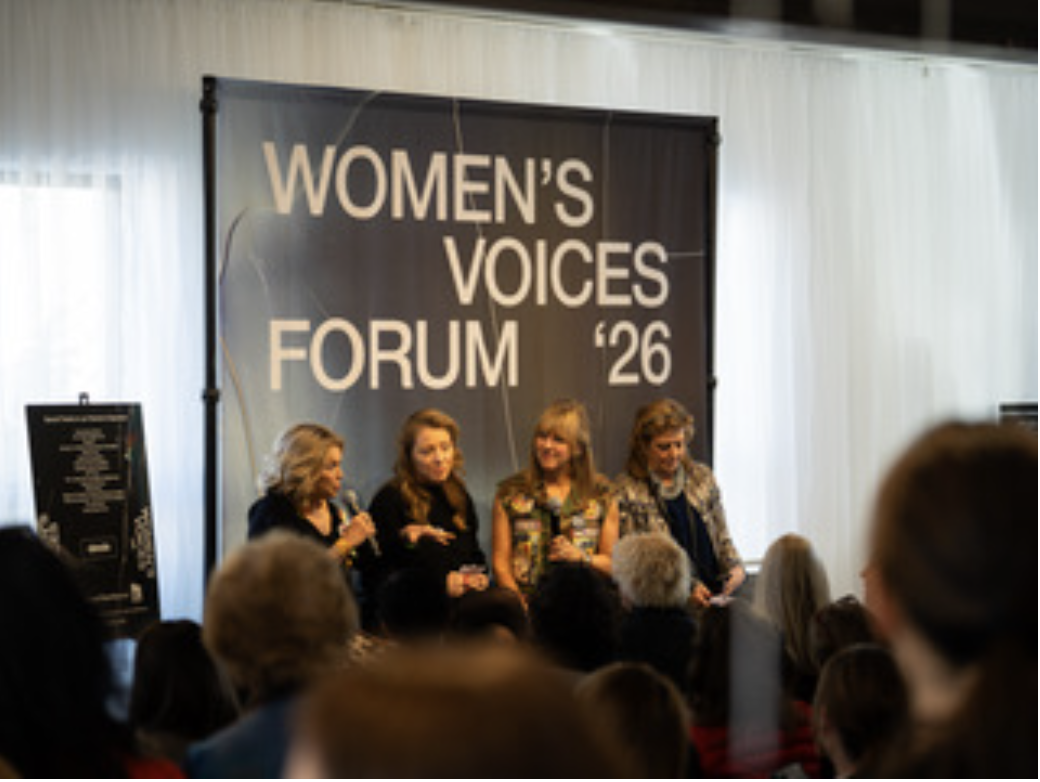
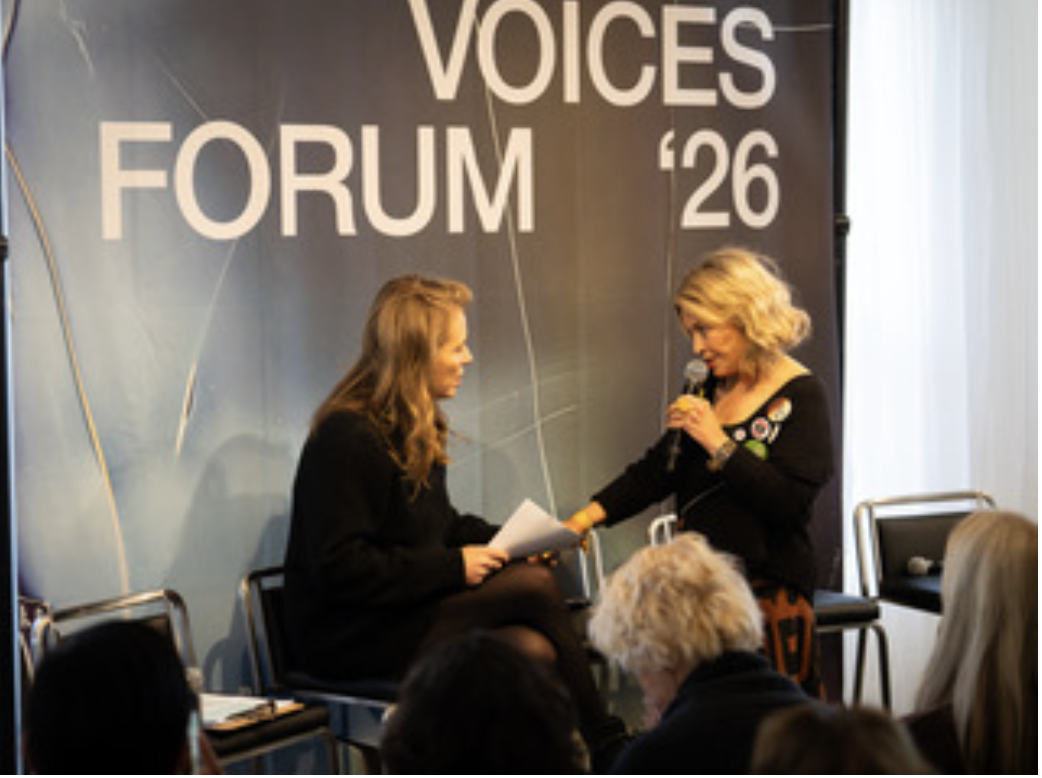
There are so many experiences connected to my long-time relationship with Sundance and all its many parts and programs, but one initiative holds a special place in my heart and is most closely aligned with my lifetime commitment to elevating women and our stories: Women@Sundance, a special initiative that became one of the most highly anticipated events at the Sundance Film Festival for 15 years. This year, at Sundance Film Festival 2026, we celebrated the impact of that annual convening and the work it supported and launched a new initiative under a new banner: Women’s Voices Forum.
A brief history: Women@Sundance began as a breakfast invitation from two dynamic women leaders and good friends, Jacki Zehner and Geralyn Dreyfous, and grew over the 15+ years, expanded and supported through the first decade by then Sundance institute CEO, Keri Putnam, and the continued commitment of Jacki, Geralyn, women funders and philanthropists, and myself to become a catalyst for getting more stories about women written, funded and seen! Over the years of Women@Sundance, the number of women helmed films that began to be produced, win awards and shift culture is evidence that the advocacy, the research that the program funded in partnership with Dr. Stacy Smith of the Annenberg School at USC; the mentoring and fellowship for emerging female filmmakers, and of course the connections and creative women’s community that evolved over the years.
Ironically, at that first breakfast, the film that was being screened and ostensibly motivated the first convening was Jennifer Siebel Newsom’s Miss Representation. At this year’s Women’s Voices Forum, Jennifer returned and in our conversation acknowledged the impact of Miss Representation and The Representation Project that continues the film’s campaign to end the sexualization of women in the media and to elevate the leadership and lived experiences of women. We also acknowledged that many of the barriers to better and more equitable representation have not gone away as women’s voices in decision making positions in media and in politics have decreased.
As the wife of Governor Gavin Newsom, and in her role as First Partner, Jennifer continues to address these challenges through the special initiatives she is leading and supporting in her state: California for All Kids initiative that includes the California Farm to School program, the Outdoor Access for all campaign, California Youth Mental Health Resources, Move Your Body Calm Your Mind campagin. She also continues her work as a film maker and a story teller, and she represents, in my opinion, how to be an effective voice and influential advocate for others.
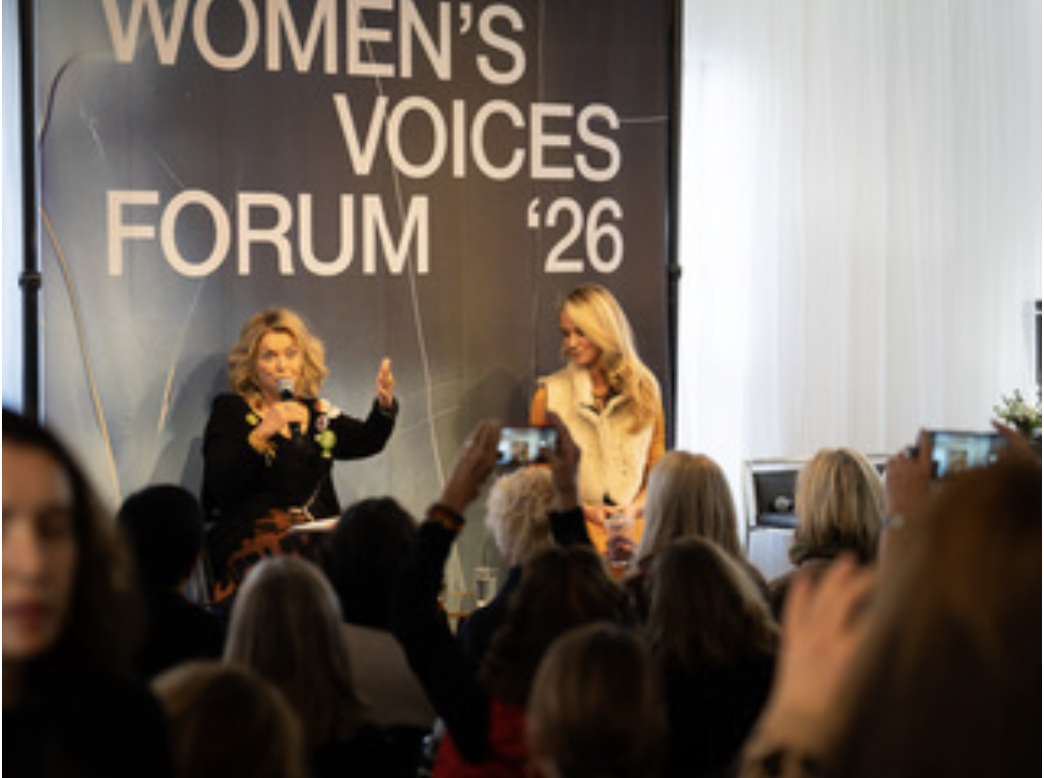
Other well known storytellers and change makers also joined this year’s convening, Dawn Porter, Jameka Autry, Bea Wangondu among others. As we did every year, we celebrated the women directors and producers whose films got into the festival–a big accomplishment, given the competition (as you can see below).
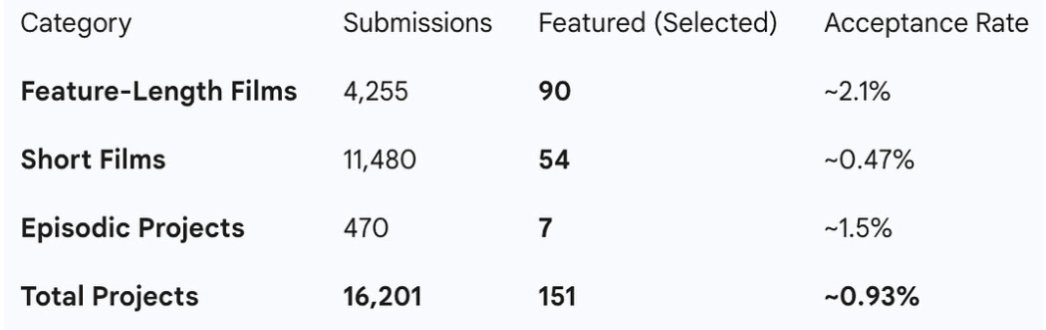
For filmmakers, getting your film into the Sundance Film Festival is a big step towards getting distribution and the story being seen by a wider audience and every storyteller wants that. Some want more–not just being seen but having an impact beyond screen. Importantly, at the Women’s Voices Forum, we talked about the connections between stories and cultural change.
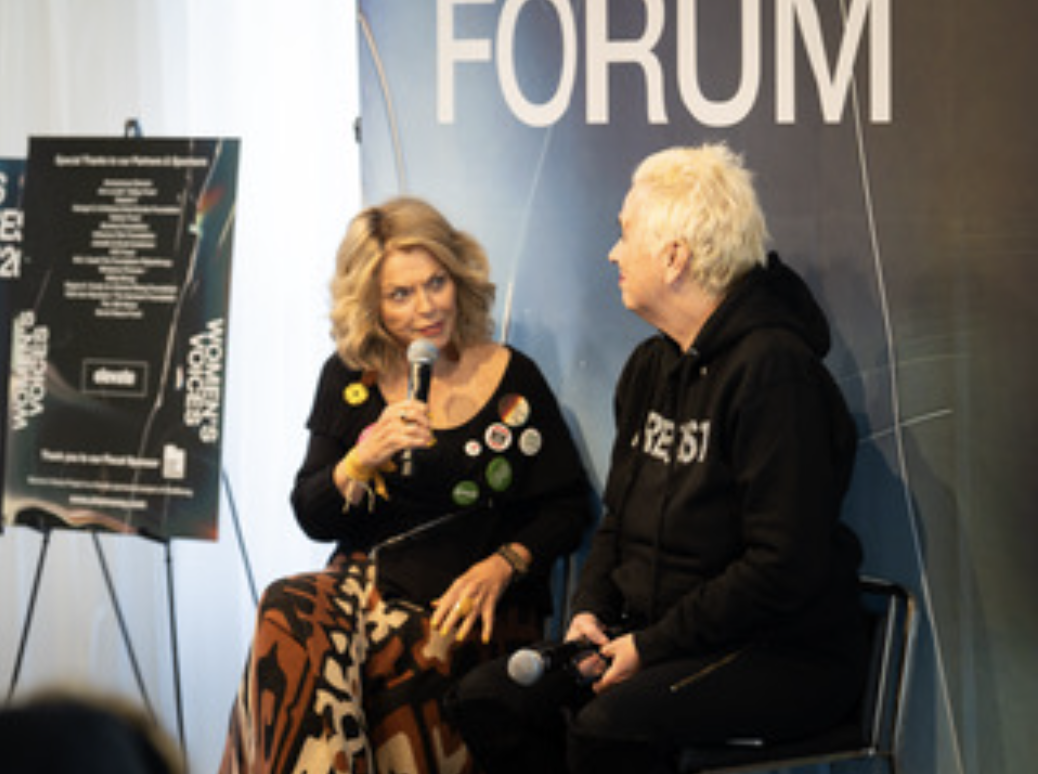
At the Women’s Voices Forum, V (formerly Eve Ensler), the founder of the V-day movement, urged storytellers to tell the stories of what’s happening now–in our country and elsewhere, to use the power of story to inform as well as inspire response and resistance to the dangerous events unfolding as we were convening: violence in US cities, famine in Sudan, worsening climate impacts, continuing conflicts in the Middle East, Ukraine and elsewhere. With her characteristic passion and purpose, V challenged the storytellers present to use their talents and their voices to tell the stories that might inspire a new movement of resistance like the one that had begun in Minneapolis, and cities around the US. She also reminded us of the importance of art in all resistance movements–music, film, poetry…and how much we need all that now for the movements and actions that will protect our freedoms and shape a healthier more equitable future for everyone. Many women’s voices were raised this day in a call for women filmmakers and funders to be braver and bolder and make the films that will have impact beyond screenings at festivals or wherever they are seen.
In the tribute publication that Jacki and her team of Sharon Backurz, Madison Limansky and Liz Gilbert put together to honor the films that have created cultural shifts over 15 years of special focus on women’s stories and voices at the Sundance Film Festival. They choose one for each year, but there were more every year that had a huge impact. Among the ones selected Trapped, The invisible War, On her Shoulder, Aftershock, One Child Nation, Writing with Fire — Just to name a few– exemplify how stories can shift public opinion and even lead to changes in policies. (I have included the full list at the end)
As Gloria Steinem, a guest at the first Women@Sundance and the subject of The Glorias at the 2020 Sundance Film Festival, said, “I have faith in each of us telling our stories in whatever way we can, because that is the way we discover we’re not alone.”
Feeling the support of being in a community of storytellers with other women with stories to tell, ideas to share, voices that need to be heard is important to sustain and to support everywhere possible especially at Sundance.
Gratefully, there is another generation of the Redford family to carry this part of the mission forward in Amy Redford. An accomplished actor, director, producer, Amy is a woman storyteller and a support to others to tell theirs as she continues her father’s mission as a member of the board of the Sundance Institute. She quite literally grew up experiencing the power of a community of storytellers. I remember her sitting cross legged on the floor during early Screenwriter and Theater Labs at Sundance, learning early the importance of active listening to other people’s stories and hearing again and again the need for communities of support and shared values.
At the Women’s Voices forum, she brought us to tears more than once with her recollections of her father and in a voice that felt newly empowered to continue his legacy and to step even more fully into her own creative leadership. To me, Amy is both a torchbearer, as well as a trailblazer. Yes, she is following in very big foot steps, but in her own way, with her own voice and values and more than a little verve and scrappyness. (Just check out her podcast Scrappy Broads!)
As her father and Sundance founder, Robert Redford said often “To be a part of a freedom of expression that allows us, as artists, [and women] to tell our stories in our own way, about the human condition, the complexities of life, and the world around us is a gift, and not to be taken lightly.”
In 2026, the Women’s Voices Forum was a “gift” at the Sundance Film Festival, and I hope it remains so at future festivals. It matters…not just to the women’s creative community but in recognition of why film and stories in all places and platforms matter: they can open hearts and minds; and when told well, they can also inspire action and activate positive change. Especially, when those that are underrepresented or misrepresented have their voices heard and share their stories, it is, as Redford said “a gift that unites and reminds us of our common humanity”.
And we need that reminder more than ever.
Onward!
Pat
P.S. Forwarded this newsletter and find it informative? Subscribe here.
P.P.S. If you enjoy this newsletter, consider sharing it with friends and family!
15 films over 15 years

