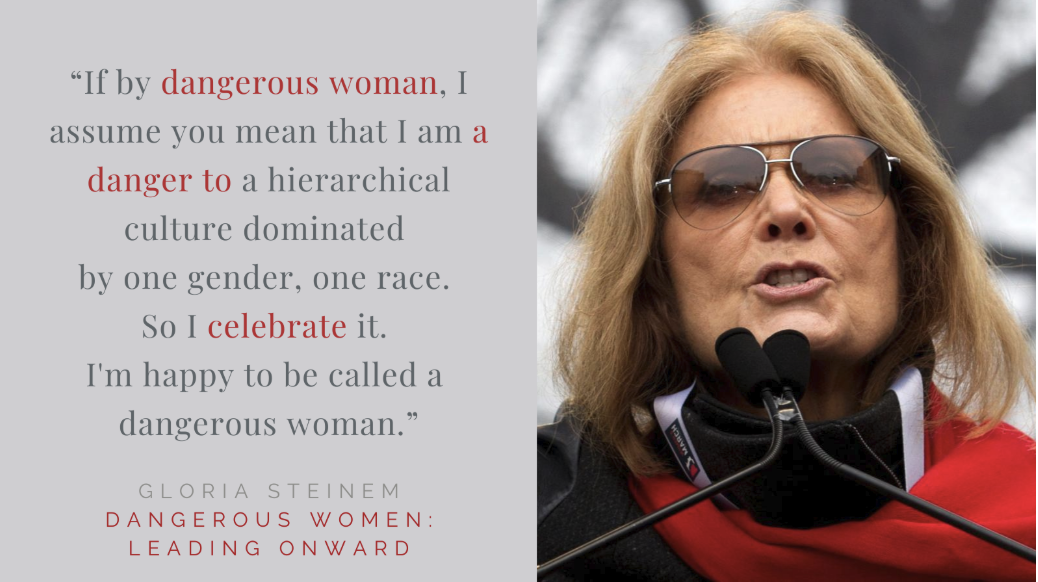
Gloria Steinem was a dangerous woman. She spoke up about injustice and led fights for fairer laws and more opportunities for women. She stood up for the underrepresented and misrepresented. She showed up for others. That's my definition of a dangerous woman — and in this case, a woman who inspired me to become more dangerous, too.
I was a 24-year-old divorced mother of a two-year-old child when I first heard Gloria speak about the very challenges I was facing: I couldn't get a credit card or a bank loan or even car insurance without a husband's signature. I was a full-time college instructor with graduate degrees, and I was being paid less than my male colleagues with the same education and experience. I had known since girlhood in the rural South that life wasn't a level playing field, but with a strong grandmother and a teacher who encouraged me, I had defied some of the limitations, but there were reminders of the differences for women at nearly every step of the journey. Gloria was speaking out about these barriers to our aspirations as well as legal and economic barriers based on our gender and not on our qualifications, education, experience or ambitions. For many in my generation of women, she was speaking our truth and we were ready for change. Gloria Steinem would write later about this moment of realization:

I was both — freed by acknowledging what I was experiencing and frustrated that I, alone, wasn't able to break through the limitations and angry enough to quit my underpaid teaching position and take a big risk–move to New York to pursue my dream to write and to somehow get involved in this new women's movement for greater equality.
1971 was the year that the media made Gloria the name and face of the women's movement in the US by putting her on the cover of “Newsweek”. There were many leaders and writers at the forefront of the movement, but Gloria could articulate the cause in ways that got attention — and yes, she was also attractive in her signature aviator glasses, long hair parted in the middle, hip belts and short shirt (later black pants). Media‘s elevation gave Gloria a bigger sphere of influence, but Gloria was always the first to acknowledge she didn't lead alone. She brought Florynce Kennedy, Dorothy Pittman, Robin Morgan, Pat Carbine and many others into the spotlight that the media was giving her, but the media tried to create a narrative of competitiveness among the leaders; in part to divide and weaken the impact. We all know this narrative that gives voice to the detractors, the cynics, the competitors for attention; a narrative that, in my opinion, impeded the movement's progress and one that has held women back for generations. Essentially, the narrative rises from a mindset of scarcity–perpetuating the fear that if one light shines too brightly, others get dimmed, and if the jobs for women are scarce–and they were and are in many places– then women would have to be competitive to get the limited places.
For me, then and now, I reject that narrative–not because I haven't witnessed it or felt it–but because I have also seen what happens when we shift the story from scarcity and women competing to women connecting, supporting each other, dropping down the ladders for those coming behind us. I've seen the abundance of opportunities that emerge when women become each other's allies as well as mentors. For so many women, Gloria was a role model, a mentor, and an ally, but I understand how challenging it can be for women with power and influence to shift the narrative and to change the very nature of how power is gained or attributed or shared. Gloria often quoted someone whose words also had a profound impact on me: Congresswoman Bella Abzug, who challenged us to change the nature of power rather than allowing power to change the nature of us. I will never stop reminding myself and others of what will change when we do just that.
I knew Gloria as a woman who knew her power and influence and used it intentionally…and in my experience, most often for others. We may not have agreed on every agenda item or policy or action, but I admired her clarity about purpose and acknowledge her impact. From what she said, what she wrote, what she fought for and against, even her choices about what she wore and how she looked—everything about Gloria was purposeful, and influenced millions of other women.
I was an admirer for several years before we met in 1974. I had my first television job as a news reporter and host of a daily talk program for women in Boston on WBZ-TV. I was one of the few lucky ones who got 'inside' media, and I was determined to use this new powerful platform to elevate the challenges and accomplishments of women, to bring more women into television and more women's stories and a feminist perspective on television.
Because I had gained some recognition in Boston, in part because stations liked to "show off" their one or two women to exemplify compliance with equal opportunity regulations, some of which resulted from the work, the women’s movement had already accomplished. I decided to use my influence and good standing to propose a big idea: an entire day of programming about women, produced by women. I called it “Yes We Can”, and all I had to do, according to my boss, was to convince Gloria Steinem to come to Boston and take part.
I had never met her, but I wrote to her at the new magazine she, Robin Morgan, and other well-known women writers and activists had just launched — Ms. — asking her to come to Boston on January 18th, 1974 for an all-day women's event that would air live programming designed for women, about women, produced and hosted by women. The answer came back swiftly that Gloria would come, and so would Florynce Kennedy, and many other leaders from the many social justice movements creating disruptions and calling for important changes in the early '70s.
More than 25,000 Boston-area women showed up that cold day in Boston to celebrate progress, to share learnings and experiences. A full account of that historic television event is in my book, Becoming a Dangerous Woman. There were many positive outcomes, including the beginning of a lifelong relationship with Gloria Steinem. I hesitate to say 'friendship' because we didn't do 'girlfriend' kind of things, even though we shared a few glasses of wine and vegetarian dinners from time to time, and I sat in several women's circles in that beloved apartment (soon to be the headquarters for the Gloria Steinem Foundation), and we took a couple of memorable trips together and more than a few rallies and marches.
We were still marching together a few years ago, when we were both arrested during a Jane Fonda climate rally in Washington. We sat with our hands cuffed in front of us – a trick Jane had shared about how to be handcuffed for the greatest flexibility! After many freezing hours in a holding cell with other activists, including my granddaughter, Laura Elizabeth Seydel, who I had taken with me to the rally. The guard who had been enforcing the “no talking“ rule came over to Gloria to ask for her autograph. Gloria, of course, agreed and with her hands still cuffed, she signed her name in a small blue book – which turned out to be a copy of the equal rights amendment, carried by this young Washington police officer because she was studying for a degree in women’s studies! When they finally released us – all of us, including Gloria, who was the last to be let go – we laughed at the irony of the autograph. We also realized again that the work for true equality is still necessary, and even dangerous, especially for our sisters on the front lines of change in places where protests are met with a much harder response than a night in jail.
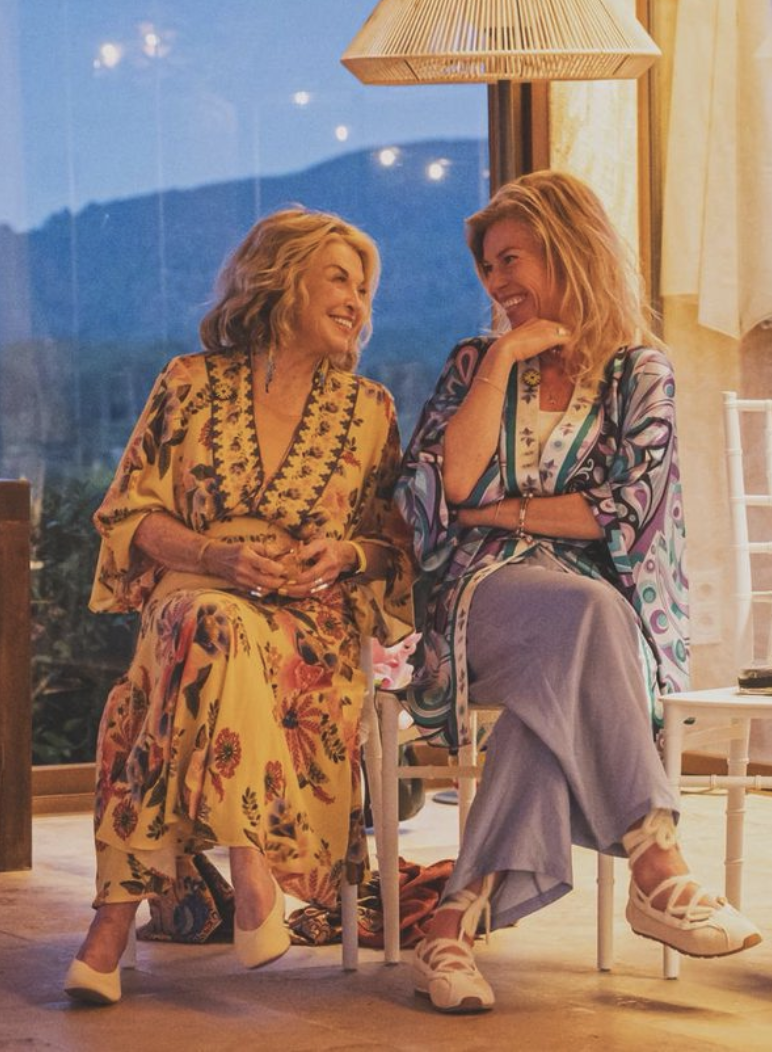
I also have been reflecting on trips we took together, and I remember vividly an invitation from Gloria to meet Wilma Mankiller, the first woman to lead the Cherokee Nation. Gloria knew my story of a Cherokee-related grandmother, and we shared some stories on that trip that will stay forever in my heart. Wilma and Gloria together was sisterhood at its best, and the best way to describe mine and Gloria‘s relationship is "movement sisters," connected by our personal life journeys and by a steadfast commitment to show up for each other.
Throughout my television career, in every position, as I created opportunities to tell women's stories or highlight our challenges or call for changes in laws or policies, Gloria would show up when invited — appearing as a guest on my various TV shows and giving her only TED talk at my invitation for TEDWomen.
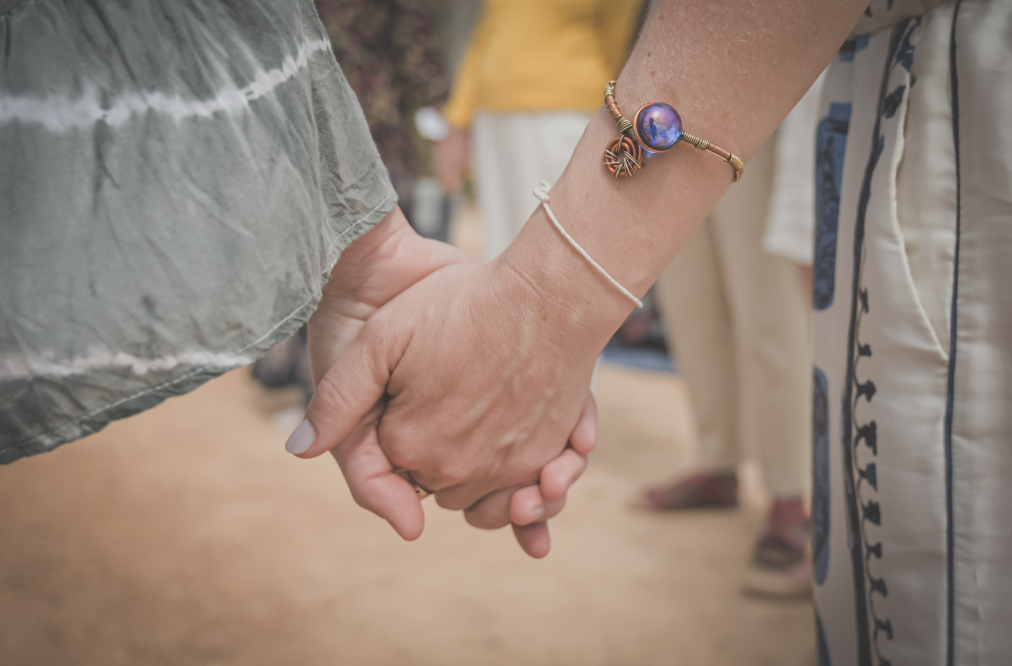
I remember one time when she'd joined me and several other well-known women on Panorama, a two-hour daily program I hosted in Washington. A well-known male politician was invited to join Gloria and the others. As he sat down with all these powerful women, he said, "I feel outnumbered." Gloria replied without missing a beat: "Why? We're all human here. But the difference may be that women are linked, not ranked." I loved that moment, and later, Gloria gave me a bracelet that said just that–Linked, Not Ranked.
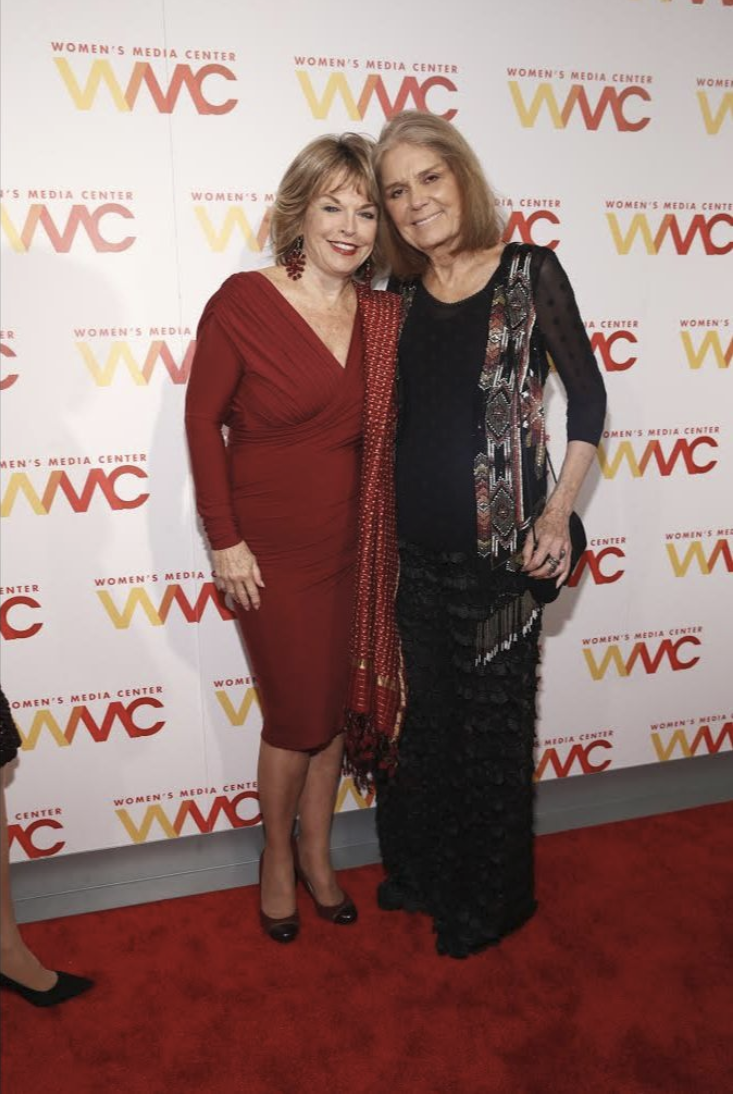
NEW YORK, NY - NOVEMBER 05: Broadcaster Pat Mitchell (L) and co-founder of The Women's Media Center, Gloria Steinem attend The Women's Media Center 2015 Women's Media Awards on November 5, 2015 in New York City. (Photo by Brian Ach/Getty Images for The Women's Media Center)
— at Capitale NYC
And we were linked over the years by a continuing struggle to make women more visible, more valued, and more equal. In late 2004, we found ourselves once again reviewing the media landscape and seeing underrepresentation of women. More were visible in terms of numbers on television, but fewer were in executive offices and even fewer were owners of media companies. Women were also misrepresented in the majority of programs and advertisements. For more information on this subject, watch Jennifer Seibel Newsom‘s documentary, “Miss Representation”
Gloria, Robin Morgan, and Jane Fonda, along with other women activists, came together in Gloria's living room, as we had done so many times before, to decide what actions to take to bring attention to why this mattered. After much discussion about strategies, we decided to start our own media initiative–the Women's Media Center–a nonprofit that would collect the data and hold media companies accountable for the critical gap that still existed in the most powerful global communications companies and to recognize the women inside media companies who were leading for better representation. I was asked to become chair of the board, following the groundbreaking Carol Jenkins, WMC's founding president, and Helen Zia, who served as board chair before me and my co-chair. WMC's mission is to make diverse women visible and powerful in media.
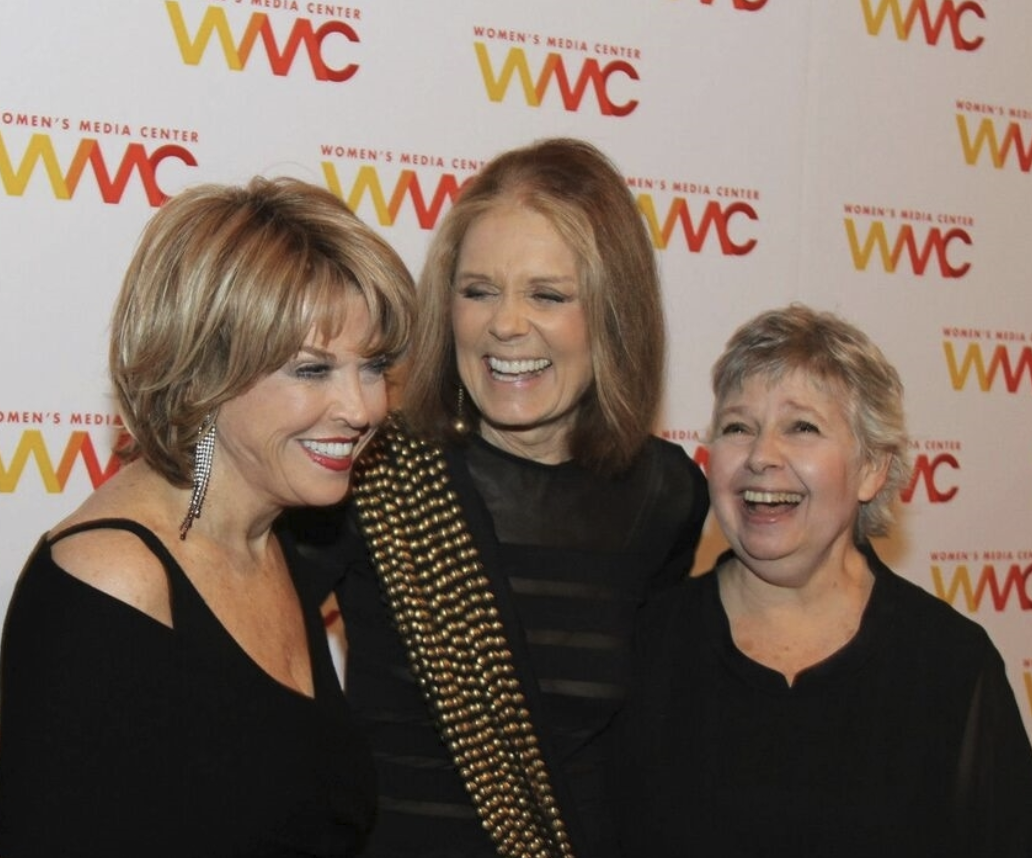
NEW YORK, NY - At the 2012 Women's Media Awards, Lifetime Achievement Award winner Pat Mitchell; Women's Media Center co-founder, board member, and event co-chair Gloria Steinem; and Women's Media Center co-founder, board member, and event co-chair Robin Morgan. Photo credit Jenny Warburg - at Guastavino’s
WMC also launched a new media program, “Women's Media Center Live with Robin Morgan”, and I'll be writing about the beloved Robin who passed away two days after Gloria's passing. Read Ms. Magazine's tribute to Robin — I am imagining them disrupting the hereafter–together.
The WMC awards each year make visible more of the women who are changing media — and I was fortunate to the receive very first Lifetime Achievement Award, presented to me by Barbara Walters and Gloria Steinem in 2012. Every year since, I've been able to present the Pat Mitchell Lifetime Achievement Award to women who have committed their media power and influence to uplifting other women. Among the recipients–Gwen Ifill and Judy Woodruff, Andrea Mitchell, Robin Roberts, Christiane Amanpour, Regina Scully, Katie Couric, Mona Eltahawy, Sally Field, and others.
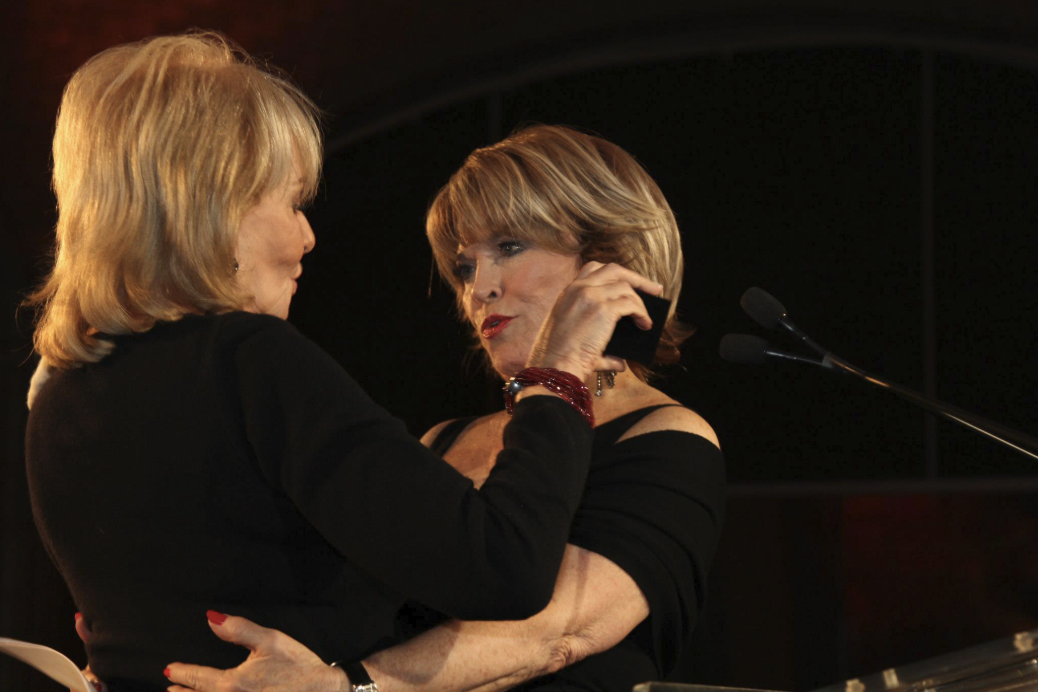
NEW YORK, NY - At the 2012 Women's Media Awards, presenter Barbara Walters embraces Lifetime Achievement Award winner Pat Mitchell. Photo credit Jenny Warburg — at Guastavino's.
The Women's Media Center will continue to celebrate women who are using the media's power to influence women's representation and accomplishments.
On March 4th, 2027 WMC awards dinner will be a tribute to co-founders Gloria Steinem and Robin Morgan.
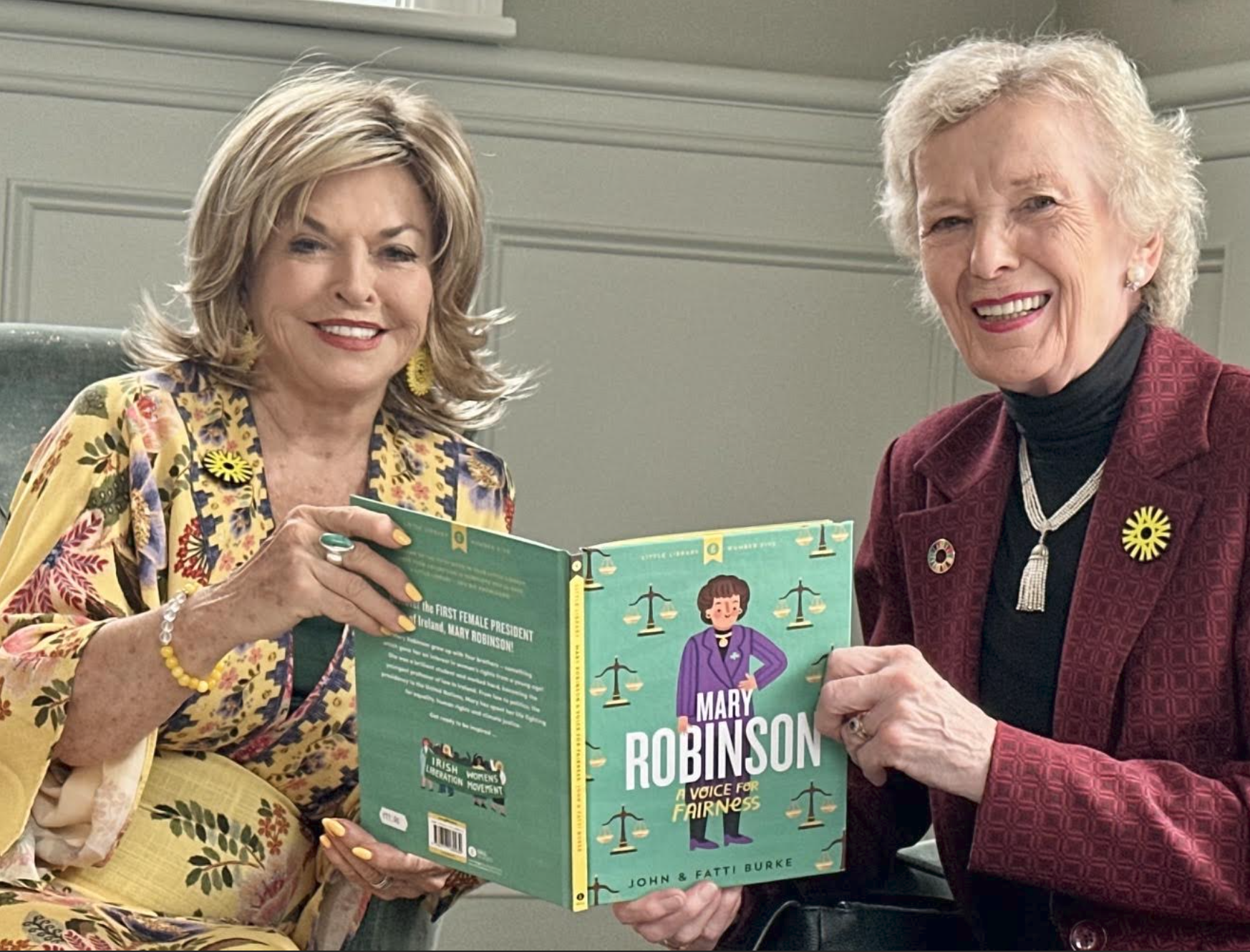
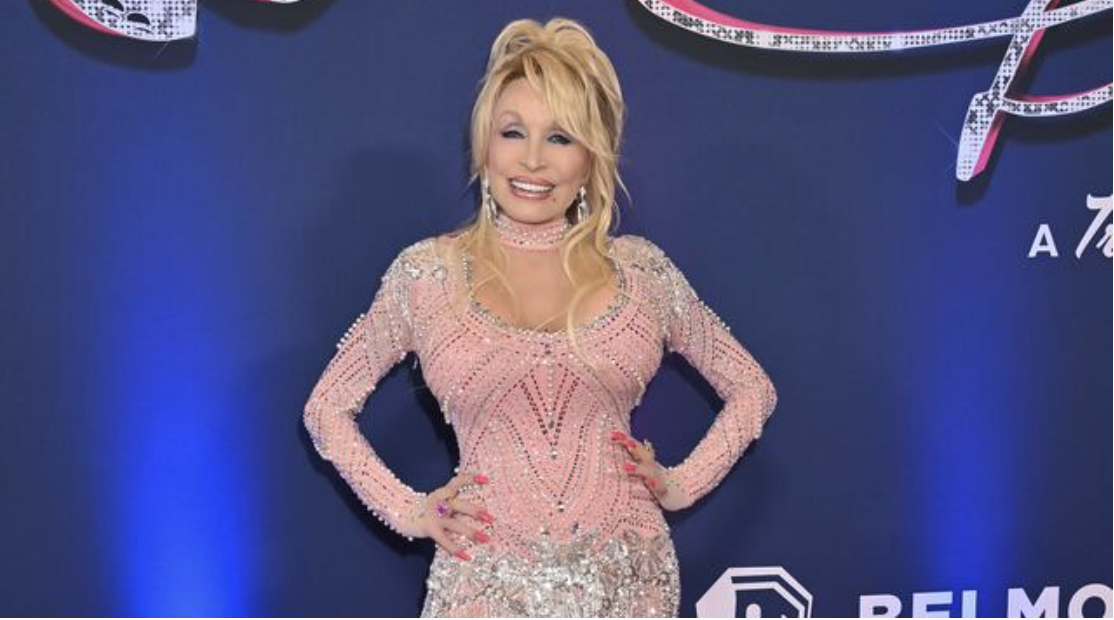
There's no question that Gloria understood the power of media and the impact of the influence that comes with fame, and, like Dolly Parton, Jane Fonda, V Ensler, Mary Robinson, and Kim Crenshaw — and other dangerous women I know and admire— too many to list in one newsletter — Gloria stewarded her influence for more than her own fame. She showed up and spoke up through her writing, speeches, and memorable quotes. She got attention, and that attention and the work it supported influenced positive changes for millions of other women.
In one of her many interviews as the media focused more and more on her age, she said:
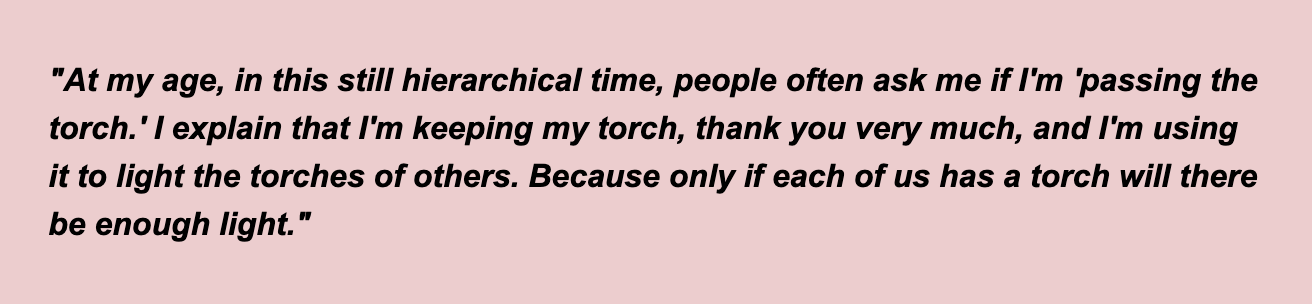
Thank you, Gloria, for your light and for the inspiration from your life and work for each of us, women and men, to hold our torches brighter and higher and to continue to light the way forward for others.
Onward!
- Pat