Dear friends,
Thanksgiving is my favorite holiday–for many reasons, but primarily because It’s about gratitude and not gift giving. The ‘gift’ of thanksgiving is the ritual of sharing a meal with family and friends, a meal that is often followed by comments like “I ate too much” or “I feel as stuffed as the turkey!”
For millions, however, right here in the so-called “land of plenty”, the complaints will be not enough to eat, this day or any other. Food insecurity is real and present in nearly every community now. Just this month, the uncertainty that came with the delay of SNAP benefits, coupled with the rising costs of food, have pushed far too many families into uncertainty about something as basic as their next meal.
This is a hard truth to take in on any day but especially on this day, when so much of it is centered around food, and yet, it could be the right day to reflect more deeply on the subject of food…to consider the journey every ingredient in that stuffing that fills the turkeys and our stomachs makes to get to our tables or food kitchens. Who is growing it? How and where was it harvested, transported, and made accessible in our farmers markets, supermarkets, and food banks? These questions are not abstract, they are central to our wellbeing and in more ways than may be obvious, to the future of our communities and our planet.
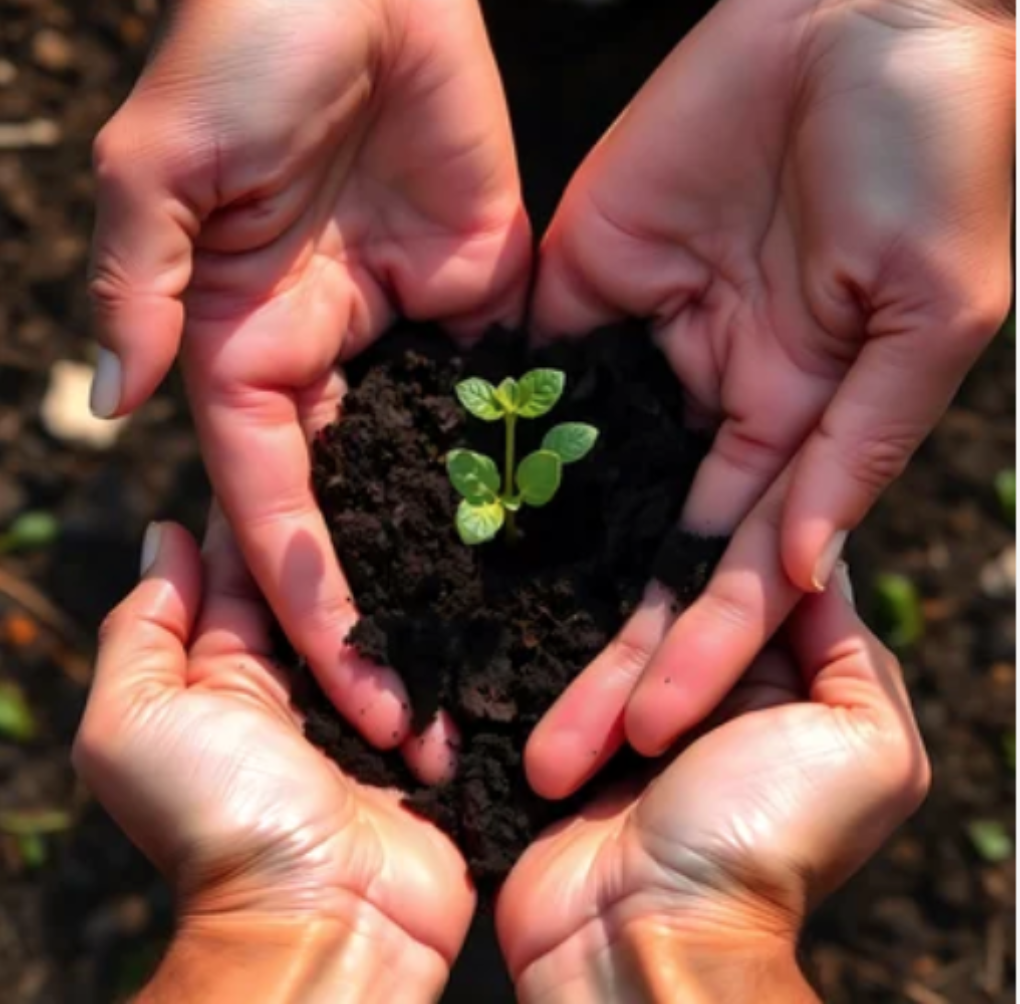
Yet, the answers to the questions about the food begins with what may seem like a paradox or contradiction. With the onset of industrial farming and the introduction of fertilizers to enable large scale production of food and animals, all of which once promised abundance and enough food to meet a growing global population; but we know now the consequences of this kind of food production has been soil degradation, chemical dependency, water pollution, and the erosion of small family farms and in most cases, unhealthy food, animals and of course, less healthy consumers. There’s plenty of data to back this up, but the bottom line that I believe can no longer be ignored–Industrial agriculture is not the answer to food insecurity but is, in fact, the cause of much of it. And the good news is that recognizing this has led many farmers to turn to another way to produce food…a healthier way that is often described as regenerative agriculture.
Simply put, regenerative agriculture refers to a set of farming practices that restore soil health, increase biodiversity, improve water cycles, and strengthen the resilience of farms and communities. It moves beyond sustainability toward healing and rebuilding what has been depleted, rather than simply slowing the damage. Healthy soil grows healthier food, captures more carbon, protects against drought and flooding, and supports farmers in creating long-term stability for their families and their land. It’s starting to become more widely understood to be one of the main solutions not only to a food systems crisis but also to solving the nature and climate crisis.
Regenerative agriculture is not new, of course, it’s more about remembering and reclaiming the ways growing food in a more ecologically sound process, in right relationship with the earth’s resources and cycles of nature rather than artificial (and toxic) processes- and there is a movement happening on every continent to make the connections real again between healthy soil and healthy food.
This is the right relationship with the earth that has been and continues to be central for the indigenous communities everywhere. So instead of watching football or old movies as a Thanksgiving ritual, consider a new one, and watch the Oxygen Project’s Watch Originarias a youtube series that amplifies the voices of women who cook as an act of sovereignty, heal through biodiversity, lead innovation, guard collective memory, and live in relationship with the cycles of the earth.
I also want to shine a light on three extraordinary women farmers who are doing the hard, hopeful work of reclaiming land and practicing regenerative farming in the US. In fact, one lives and farms right in my city.
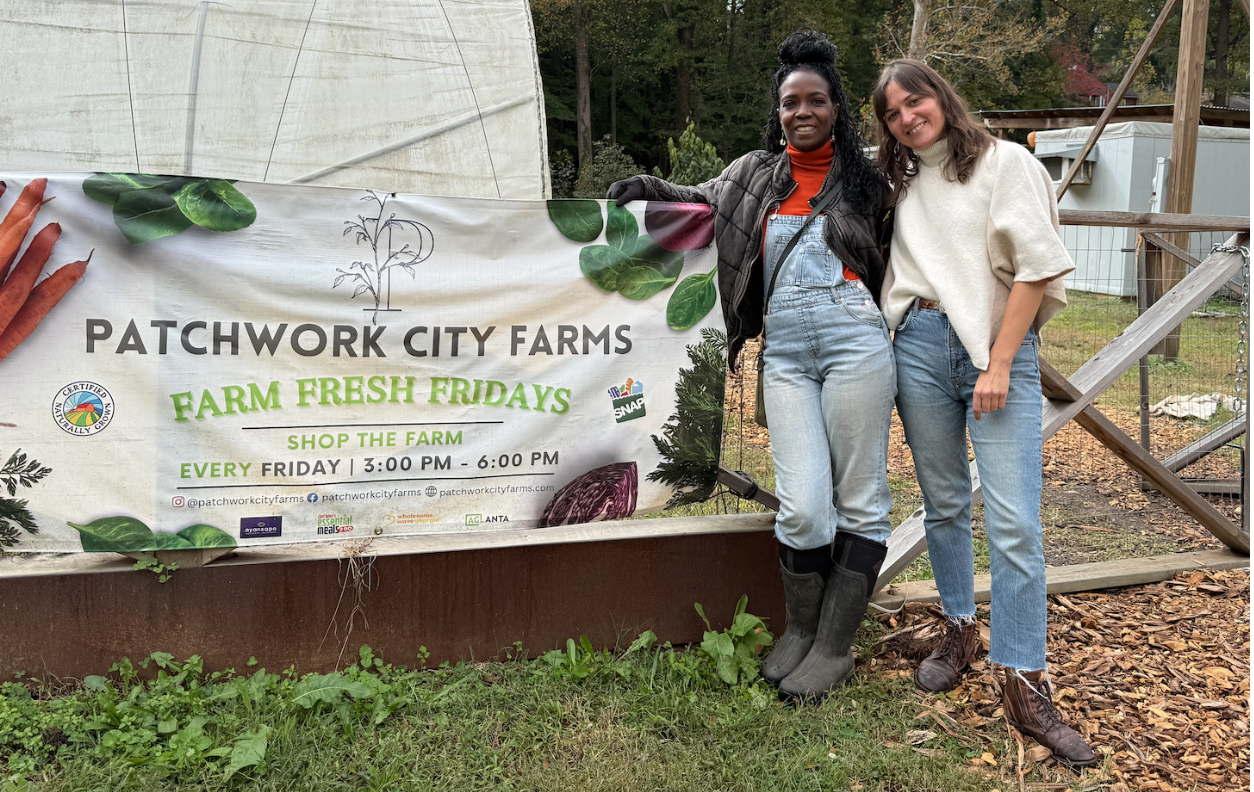
Jamila Norman- Jamila’s vision of regenerative agriculture really started in her own backyard with an acre in her neighborhood, and over the years since she took up farming, after a career in city government, she has patched together other acres and other areas right in the middle of Atlanta. That’s why she calls it Patchwork City farms. On my visit I was stunned by how much you can grow on what is considered a relatively small space. She has innovated her forms of planting to adjust to Atlanta’s hot summers and increasingly wet falls and winters, and she grows nearly everything–from every kind of vegetable to fruit trees and herbs. No fertilizer. Just compost from other people’s food waste. She also opens once a week to the neighborhood for a farmers market, as well as selling the produce at other local farmers markets. Jamila has become quite well known as Farmer J from her streaming series HomeGrown with the Magnolia Network, and she is a founding member of South West Atlanta Growers Cooperative, an organization that she says “exists to strengthen Atlanta’s Black farmers and to create a transformative, environmentally and culturally responsible Atlanta food system that contributes to a robust and equitable high quality of life for its farmers and communities,”. I am grateful the dedication and courage of a young Black woman taking up the challenge to become a healthy source of food for her community.
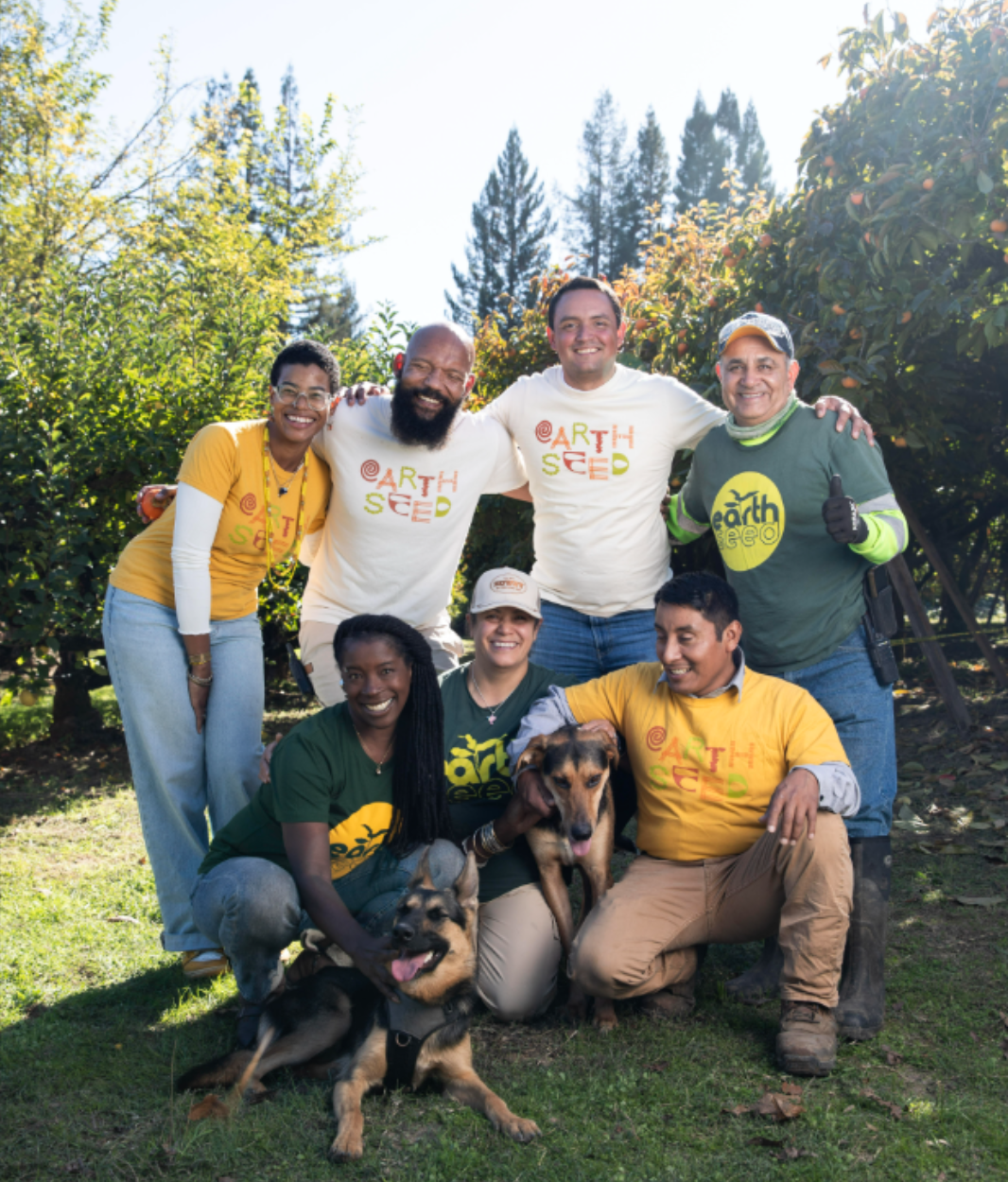
Pandora Thomas- At Pandora’s Earthseed Farm, growth is rooted not only in the soil but in a deep commitment to community, culture, and collective wellbeing. This season, Earthseed launched its Community Nourishment Program, delivering fresh, organic fruit at low-to-no cost to organizations serving communities from Sonoma to San Francisco. Their beloved Back to Our Roots program continues to flourish as well, engaging hundreds of young people in land-based learning grounded in Afro-Indigenous ecological teachings. With renewed support from funders and a key award from the CDFA, Earthseed is expanding access for youth while also deepening its commitment to climate resilience through major upgrades to its solar power and battery systems and a nearly fully electric fleet. And as Earthseed’s residencies continue to offer restorative space for Black artists, activists, and caregivers, the farm is growing into an even more powerful model of what regenerative, community-led stewardship can look like when care, creativity, and justice are at the center.
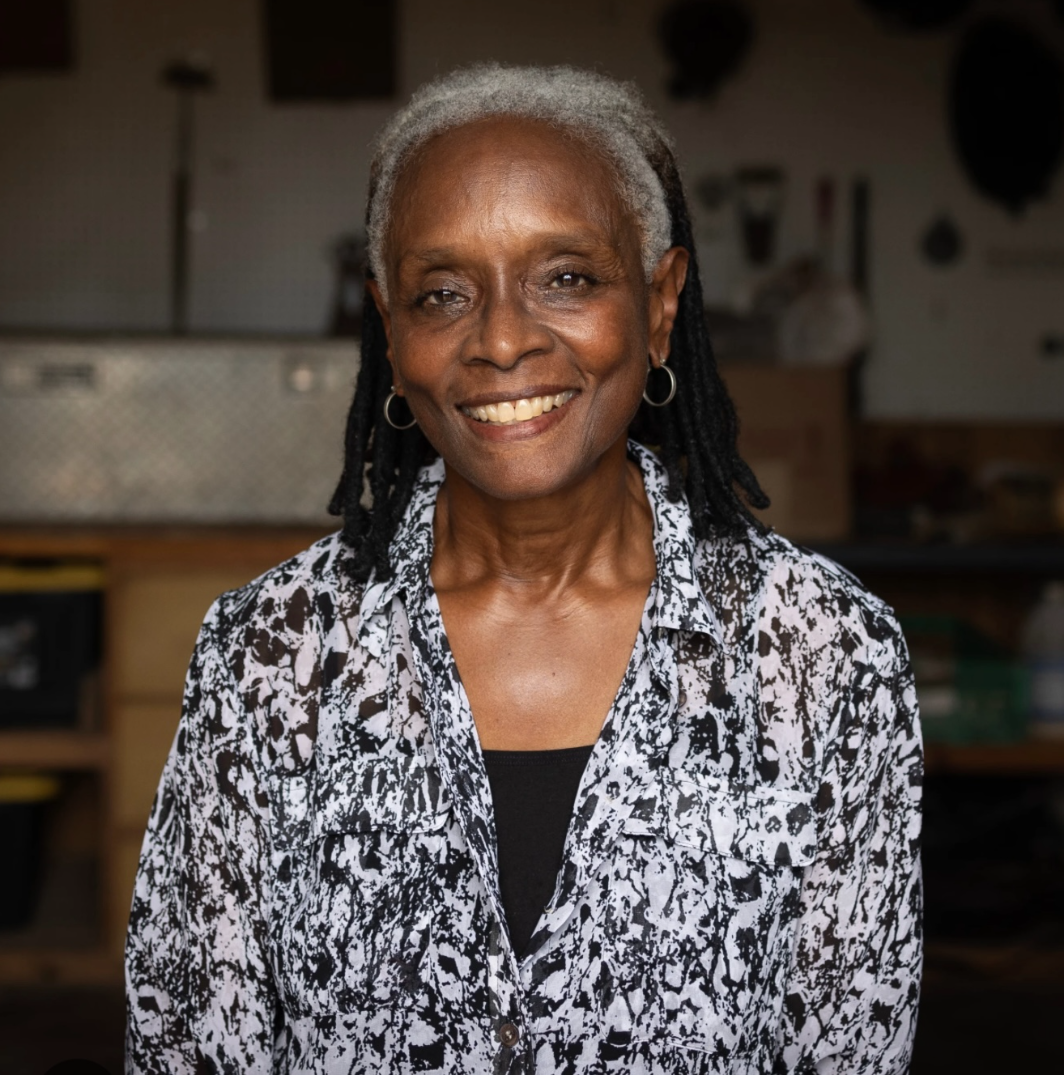
Konda Mason- Konda Mason, the visionary founder of Jubilee Justice, is advancing the SRI (System of Rice Intensification) method of rice growing. It is an approach that must be innovated and adapted to each unique landscape. This regenerative technique is proving transformative, using 25–50% less water than conventional flooded paddies. At a time when rice remains a staple for billions, Konda’s work offers not just a breakthrough in agriculture but a powerful opportunity for global water conservation. Even the rice mill on her Louisiana farm is solar-powered, a reminder that she builds solutions aligned with both the planet and people. As she puts it, their Rice Project “sits perfectly at the intersection of economic justice and climate justice,” addressing two of our most urgent challenges with ingenuity and heart. She markets this extraordinary harvest as Jubilee Justice Rice, a name deeply tied to the story of the land itself. Konda now lives on what was once a Southern plantation where enslaved people were forced to farm the land. The irony, and the quiet poetry, of her tending this soil toward restorative justice is felt by everyone who visits. Alongside the rice, she’s cultivating a strain of wheat, already imagining it folded into homemade tacos for a café she plans to open on her property in Alexandria. I, for one, hope to be there when it opens, to taste the delicious results of her vision, courage, and creativity in a region long burdened by the impacts of climate disruption and fossil-fuel injustice.
Knowing that there are these three women pursuing what many see as the single most effective and timely solution to the climate crisis as well as addressing the food insecurity crisis, may encourage some of us to find our plot of land..a garden in backyard, or shared in a neighborhood or a rooftop. For all of us, there are other ways we can honor the hands of the people who grow our food. We can pay close attention as consumers to the food we buy—where was it grown, and if possible, to know by whom. Individual farmers or collectives or big industrial agriculture companies? What was the journey from farm to table? How much energy was used in that transport? These are questions worth asking because each purchase is a conscious decision to participate in the solution and to choose a healthier option as well.
As the biggest consumer day in the US happens tomorrow, I will be participating in The Oxygen Project’s initiative.

I hope the profiles and recommendations in this newsletter had some nourishment of thought on this day we set aside for gratitude.
Gratitude will be a big part of our family’s thanksgiving meal today which we will share with our oldest son, his wife and our awesome granddaughters. We will also be sharing and remembering the words of botanist and award winning author, Robin Wall Kimmerer, who writes in her book The Serviceberry: Abundance and Reciprocity in the Natural World. “Food in our mouths is the thread that connects us in a relationship simultaneously spiritual and physical, as our bodies get fed and our spirits nourished by a sense of belonging, which is the most vital of foods,” Around the world, farming families and entire communities are part of a rising global movement to restore our soils and reimagine our relationship to food. I’m honored to be the executive producer of a forthcoming film, Groundswell, which lifts up these global stories, stories of courage, creativity, and commitment to regeneration in every sense of the word.
Thank you, dear readers for your words of encouragement for my newsletter and for the gratitude you have expressed for the stories and ideas shared here.
Onward!
- Pat
P.S. Forwarded this newsletter and find it informative? Subscribe here.
P.P.S. If you enjoy this newsletter, consider sharing it with friends and family!

