Dear Friends,
In the days since COP30, I’ve heard, and shared myself, many of the critiques and disappointments about the final outcomes of another global conference failing to implement a roadmap to a climate safe world for everyone. We made some progress, but not enough because such a roadmap, we know from the science, must include an agreement from all countries on plans to phase-out fossil fuels and shift to other sources of energy. At a time when the number of people who are dying from air pollution related causes is increasing, and the health impacts related to burning coal and the reliance on oil and gas are undeniable, it's clearly essential to keep convening the conversations and the negotiations necessary to keep hope alive and elevate the solutions and signs of real progress. Fortunately, we have the solutions. We need more brave leaders willing to stand up against the powerful fossil fuel industry’s lies and lobbyists, to make the case that we can transition to other sources of energy and must do so to have a livable future on this planet.
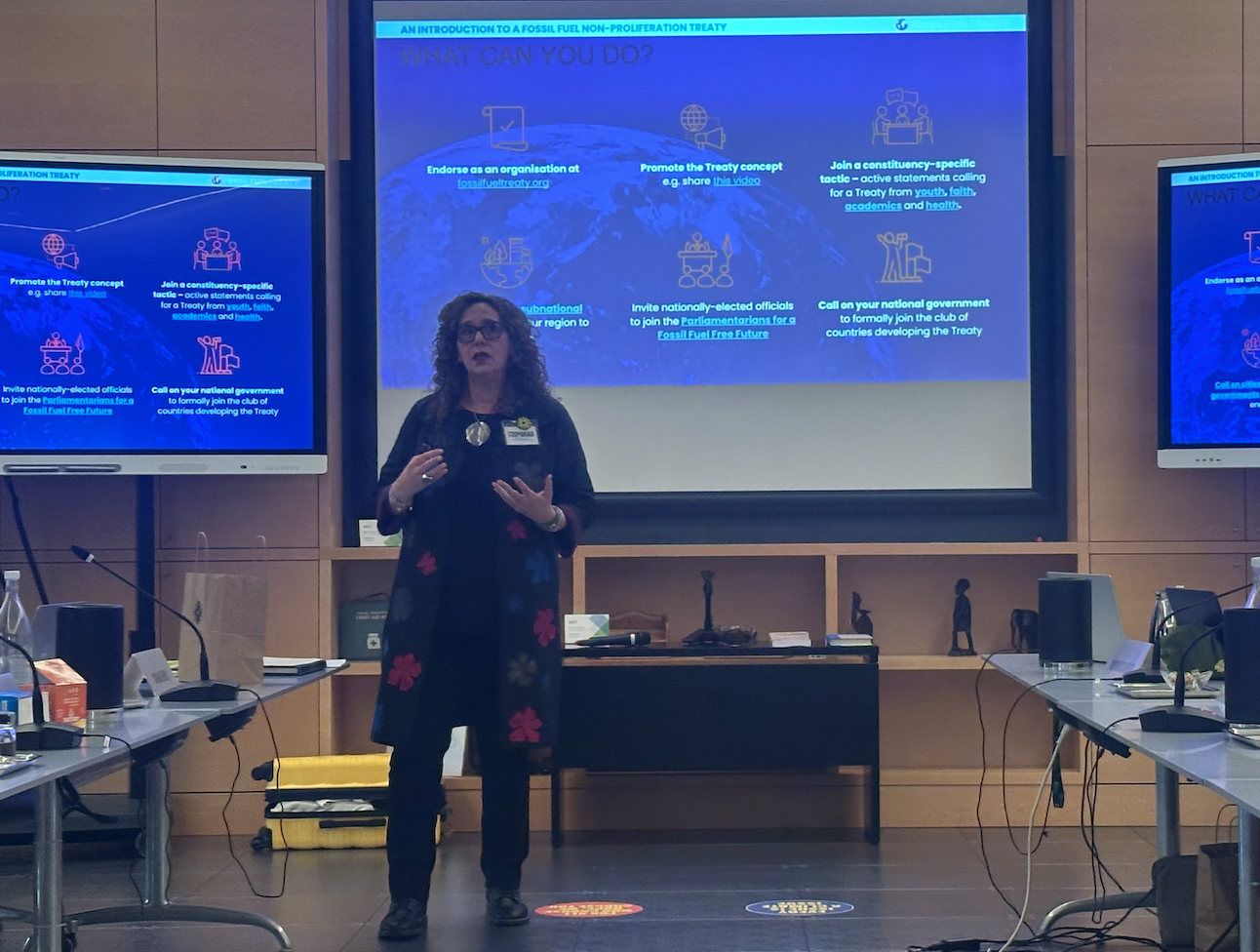
Tzeporah Berman presenting at Project Dandelion’s Bellagio forum this past March.
One brave leader has been traveling country to country, making this case for the last five years. Tzeporah Berman who launched the Fossil Fuel Non-Proliferation Treaty Initiative. I’ve had the privilege of witnessing Tzeporah’s commitment and passion which may have begun as what some described as ‘a fringe idea’, considered ‘out of reach’ by many, but which has become a rapidly growing alliance of nations who have signed the treaty and are charting a real, workable roadmap for a transition beyond fossil fuels. The Initiative is exactly the kind of bold and necessary step, binding countries who sign to a framework to wind down fossil fuel production and invest in a more just and regenerative future.
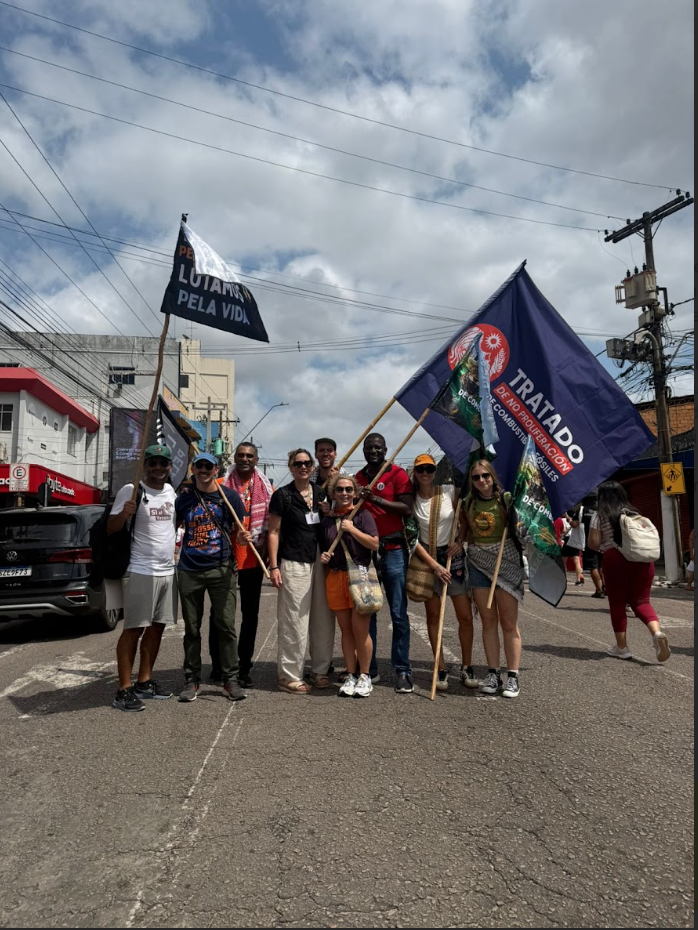
Tzeporah in the middle with her team at a march during COP30.
At COP30, their work gained remarkable traction. More than 80 additional countries signaled support for a global plan to phase out fossil fuels—an unmistakable sign that this movement is accelerating. And although the final COP outcome fell short of explicit commitments, something historic did happen: for the first time, the COP presidency formally acknowledged that international cooperation on the phase-out of fossil fuels must move forward in parallel with, and complementary to, the Paris Agreement. That acknowledgment matters. It opens political and diplomatic space that did not exist before.
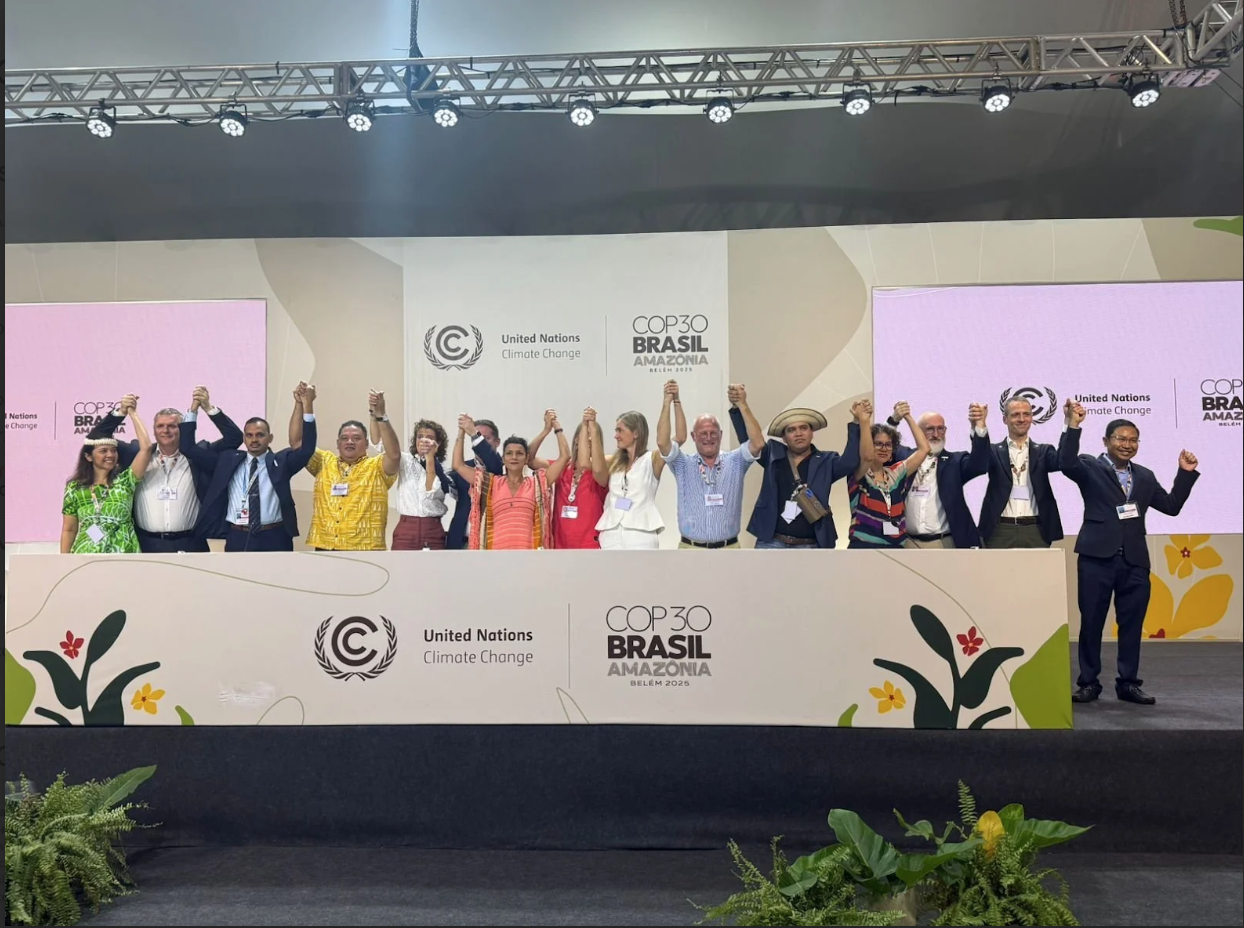
Leaders and officials from Columbia and the Netherlands celebrating the announcement.
There was another historic and important development in one of the final days of COP30: Colombia and the Netherlands announced they will co-host the first-ever international conference to phase out fossil fuels on April 28–29, 2026 in Santa Marta, Colombia. The choice of Santa Marta could not be more powerful. This is a major coal port in one of the world’s top five coal-producing nations. To host this conference in a place whose economy has long been tied to coal extraction sends a bold and unmistakable message: the transition must touch even the landscapes and economies built by fossil fuels. The world–or certainly the countries who have signed the treaty–are ready—finally—to end our dependency on coal, oil, and gas, and to imagine and invest in what comes next.
Pacific nations have also committed to convening a regional meeting to advance aligned objectives, continuing their long tradition of bold and courageous leadership on solving the climate crisis which threatens their very existence.
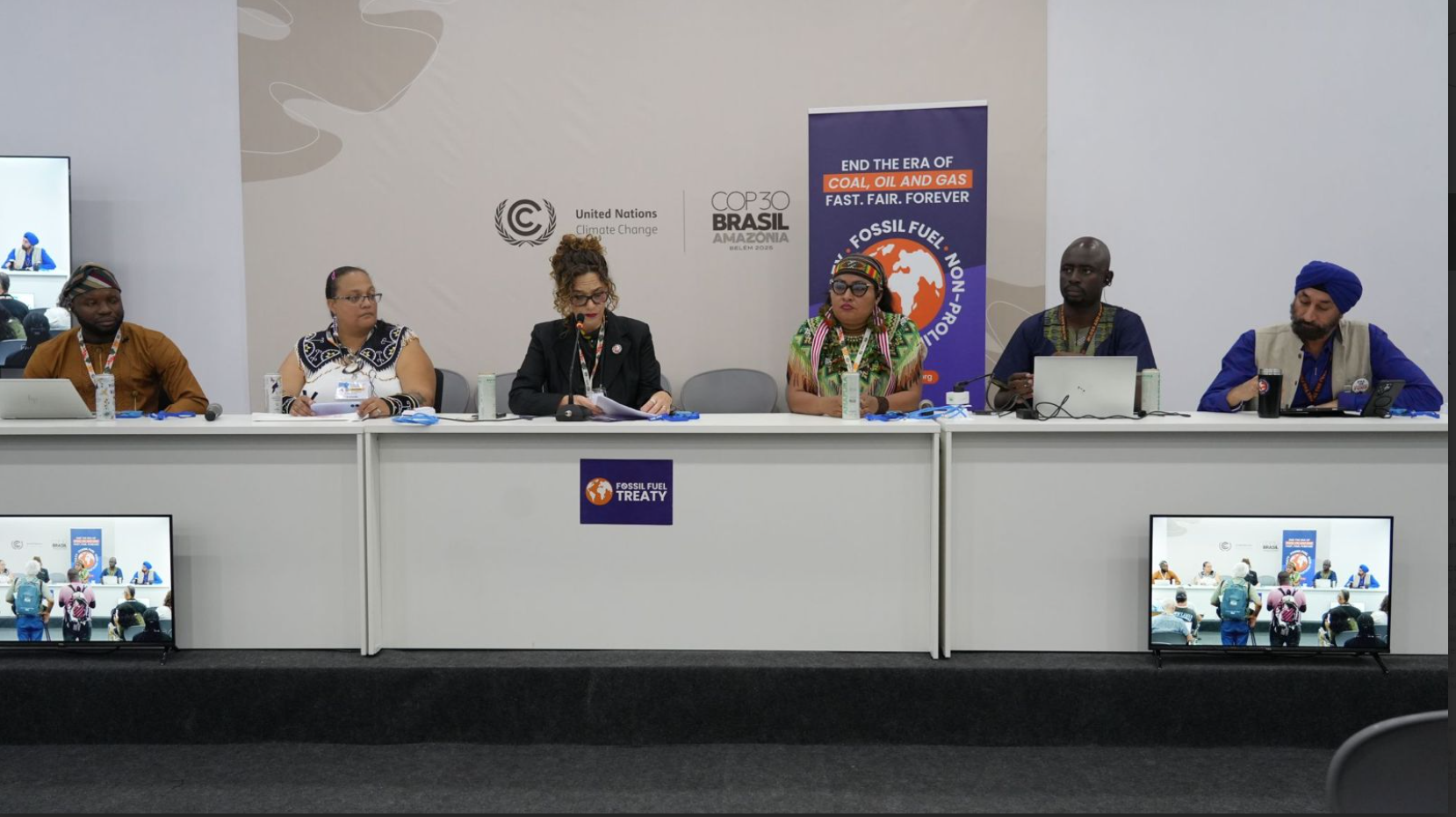
Today, 18 nations have formally endorsed the Fossil Fuel Treaty, with Cambodia becoming the most recent to join. Each new signatory is a reminder that global courage is building, step by step. While 18 countries can’t end fossil fuel production or extraction policies at the scale needed to address the dependency—and therefore the negative impacts—everywhere, just getting to this number of presidents and prime ministers willing to commit to doing it is significant, especially given the effective lobbying and misinformation campaigns from the fossil fuel industry. This is real, measurable, progress that is driven not by bureaucratic negotiations alone, but by visionary leaders like Tzeporah, whose commitment to this single and singularly important initiative exemplifies the power of one individual with a vision of what must be done and keeps moving forward towards that goal– country by country. Along with the hope that the convening in April in Colombia will further accelerate the necessary transition, I also hold close this truth: change often begins outside the formal halls of power, seeded by those willing to imagine something better and then work relentlessly to make it so.
Tzeporah Berman is such a visionary leader. You can watch her TED talk to see her in action. She is, like the Dandelion, resilient and unstoppable, seeding the actions that will move the world forward from reliance on the fossil fuels that are killing us towards the clean and renewable sources of energy that promise a cleaner, healthier and restorative future. You can also get involved by following the Treaty’s progress on HERE.
Onward!
- Pat

